
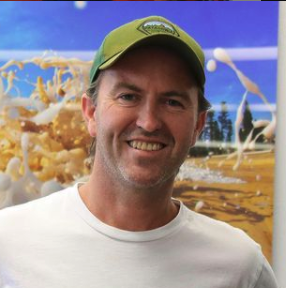
2015, Palma Mallorca, Spain: Pete Ceglinski and Andrew Turton, Aussie surfers, sailors, boatbuilders and ocean-lovers, were working on boats at a marina in Spain and couldn’t believe the amount of plastic in the water. The marina’s ‘solution’ – hiring someone to walk around with a pool scooper, ladling rubbish out only for it to be back again the next day. Pete and Andrew concluded, “If we can have rubbish bins on land then why not have them in the water?”
Why not indeed? The Seabin concept was born – a rubbish bin for the water. However, unlike Terra Firma where you have the luxury of solid ground, the ocean’s unique quality, besides being inundated with evermore plastic rubbish, is its propensity for constant motion. How can you actually park a bin in the drink? And why would trash simply fall in when it can so merrily float along clogging up wildlife’s vital organs? Pete and Andrew weren’t entirely sure, but they had enough confidence in their problem solving abilities to quit their jobs, take their life savings and lease and renovate an old disused furniture restoration factory in Palma Mallorca.

They got straight to work, learning how to weld thanks to YouTube videos, using a 60year old sewing machine to stitch the original catch bags, and deploying brainpower beyond the Tawny’s realm of hydrological, self-propelled, oceanic waste management understanding to ascertain how on earth to get rubbish from the water and into their neophyte Seabin.
The Seabin is a simple concept, it’s a cross between a garbage can and a pool skimmer that’s put in the water at yacht clubs, ports, waterfronts and foreshores with existing infrastructure. The Seabin has a water pump at the bottom that draws in water from the surface and pumps it out the bottom. And in the middle is a filter that captures the floating plastic pollution. The water drawn in is filtered and released back into the ocean, while particles of floating debris; plastic bottles, plastic bags, polystyrene, microplastics, fuel, oil, detergents, parking tickets, cigarette butts, chocolate wrappers, and everything else you can imagine are captured – even microfibres like fishing line and plastic threads are captured on a daily basis.
Seabin was founded in 2016 and they’ve not stopped working tirelessly to ensure cleaner oceans every minute since. They now operate in 54 countries with 860 Seabins across the globe capturing close to 4tonnes of aquatic-residing garbage every day. Seabins have removed a total of 1,665,781kg of waste from the ocean, a number growing constantly and rapidly. This is serious business. However, the Seabin mission is not to dominate every spare loch with their majestic repository, it is “To live in a world without Seabins.”
To achieve this, a huge part of their work is invested in educating schools, politicians, businesses and everyday citizens of what we’re all throwing in the ocean. Trash doesn’t mythically appear in a Seabin. It comes from somewhere. And data tracking every single item of Seabin-captured trash makes for compelling fact-based arguments when discussing with the big polluters, business leaders, politicians and everyday people alike, what action they need to take if they’re serious about living in a clean environment.
Seeing is believing, and Seabin’s focus on compelling communication techniques is why they use the ‘White Board’, an actual white board that every catch is laid upon, filmed, photographed, and catalogued, to both build up a truly comprehensive showcase of the trash flooding our waterways, but to also serve as an emotive visual catalyst to finally cut through so that everyone witnesses the end game of single-use plastics overconsumption, and the reality of what happens when we treat the ocean as a garbage dump. This crucial component of Seabin’s work makes for powerful persuasion, leading more and more people to think twice in their consumer decisions, and work towards a clean-ocean future not reliant on Seabins but fuelled by a plastic-free way of life.


Right now, Seabin’s biggest challenge isn’t plastic pollution, it’s the lack of accountability and governance with decision makers like City of Sydney, where Seabin is running a self-funded Smart Cities Campaign to clean up and prevent plastic pollution in our majestic harbour.
“Whilst we do have some traction with the City officials helping refine our data protocol, at the same time we are also getting a Not-My-Responsibility response from City spokespeople and this is a slap in the face to everyone who wants a pristine, healthy and cleaner Sydney harbour”, says Pete Ceglinski. CEO & Co Founder of Seabin Project.
Seabin are trying to get the City of Sydney onside, yet stay firm with taking them to task for floating pollution making its way from the streets into the waterways. Seabin have invested over $160,000 of community shareholder money, also with local private businesses financially supporting the clean-up.
Seabin need your help to gain the support of the City of Sydney, as well as State and Federal Governments. A follow on social media is the best way to assist.
Keep up to date
Visit www.seabinproject.com and follow them on Facebook, Instagram and Twitter to stay up to date with calls to action, surveys, campaigns and more.
Enjoy that?
If you enjoyed this article, head here to read past Silicon Brooky articles and discover more exciting innovations and business developments on the Northern Beaches.